

HISTORY
Established in the mid-19th century on the rolling bluffs overlooking the Missouri River, Walnut Grove Cemetery serves as a living record of Brownville, Nebraska’s profound historical legacy. As one of the region's oldest burial grounds, these hallowed acres preserve the stories of the pioneers, governors, and veterans who established the foundations of the American frontier. The meticulously hand-carved limestone monuments and mature oaks stand as silent witnesses to generations of expansion and community growth.
Today, Walnut Grove remains a sanctuary of peace and a vital resource for genealogical research. Our mission is to honor every individual interred within these gates by maintaining the dignity of their final resting place and ensuring their contributions to Nebraska's history are never forgotten. Through preservation and careful stewardship, we protect the fragile link between our past and the future, inviting visitors to reflect on the lives that shaped our heritage along the river's edge.
Explore the Hollowed Grounds
A guide to the historical interments and notable pathways of Walnut Grove.

Walnut Grove Cemetery is a private foundation owned cemetery. Maintained by a volunteer board of directors.

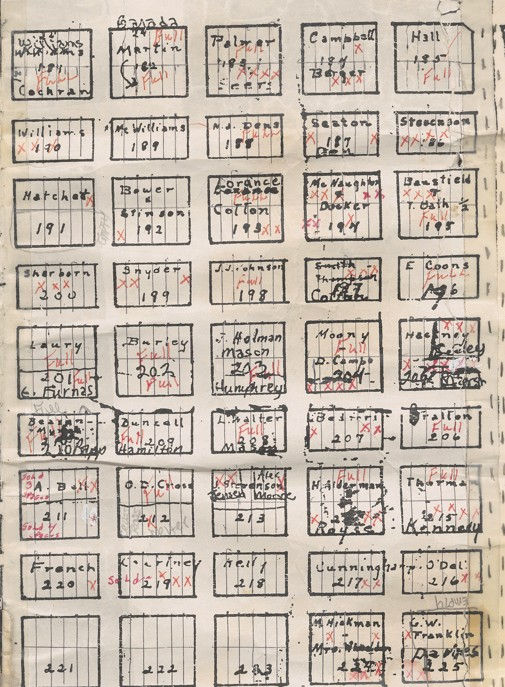


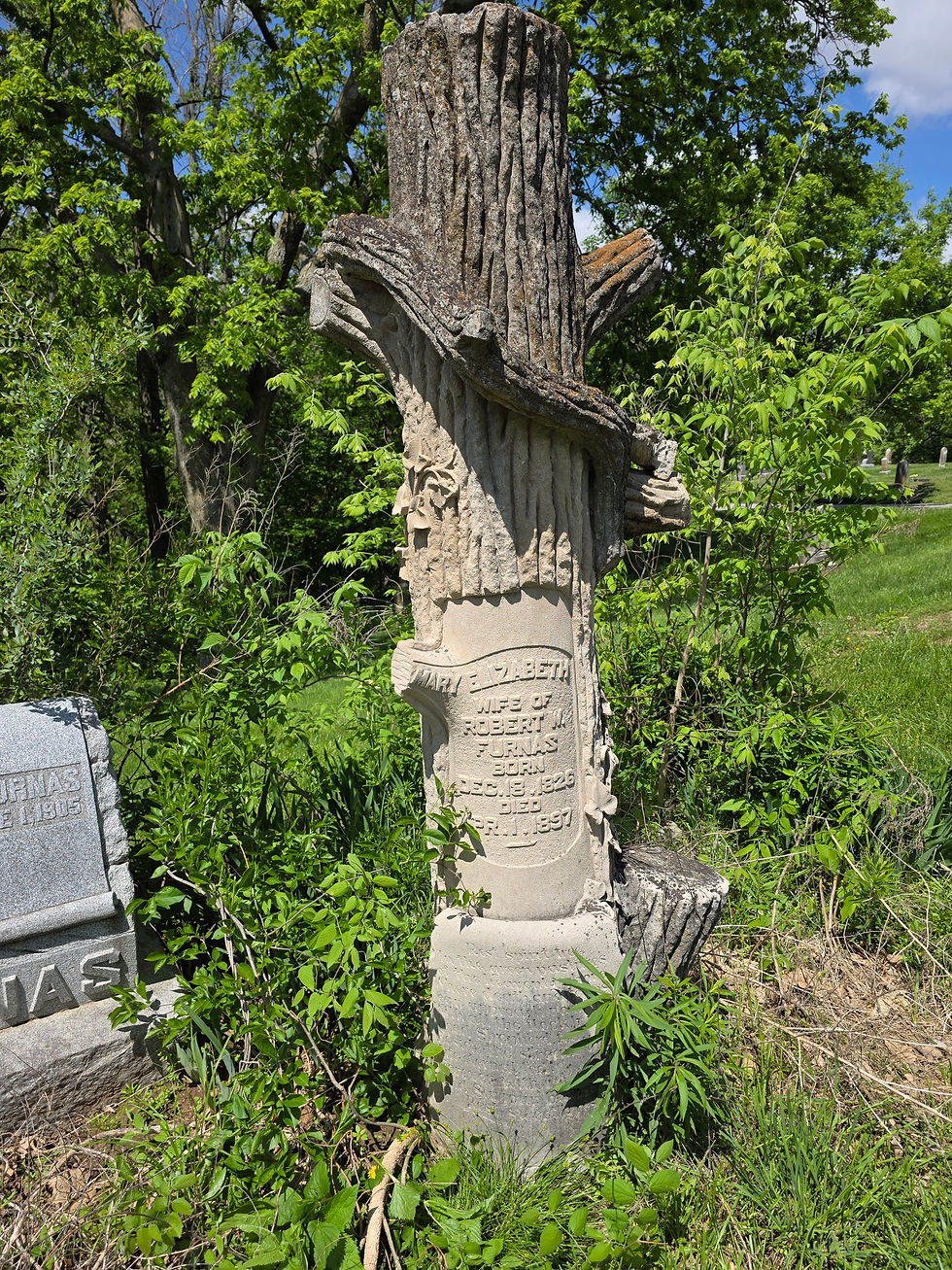

Gov. Robert W. Furnas
The second Governor of Nebraska and a pioneer in horticulture. His legacy lives on through the Arbor Day tradition and the state's agriculture.

Captain T.W. Bedford
A foundational figure in Brownville. As a merchant and community leader, he navigated the early growth of the Nebraska territory.

Eliza Jane Thompson
A pioneering voice for education and community welfare. Her dedication to the intellectual blooming of the region left an indelible mark.
Gov. Furnas's Wife headstone
Notable Interments
RESOURCES
Brownville Historical Society https://www.brownvillehistoricalsociety.org/
Historic Nebraska Cemetery Records
Find A Grave: https://www.findagrave.com/
National Register of Historic Places https://www.nps.gov/subjects/nationalregister/index.htm
Civil War Veterans Burial Database https://www.suvcwdb.org/index.php?r=site/search
Library of Congress: Historic Archives https://www.loc.gov/

Established on the rolling hills of Brownville, Walnut Grove Cemetery serves as a silent chronicler of Nebraska’s pioneer spirit. Under the shade of century-old oaks, the stories of those who built this historical community are preserved with quiet dignity. Our grounds offer more than a final resting place; they provide a sanctuary for reflection, where local history and nature merge in a timeless, tranquil landscape.